
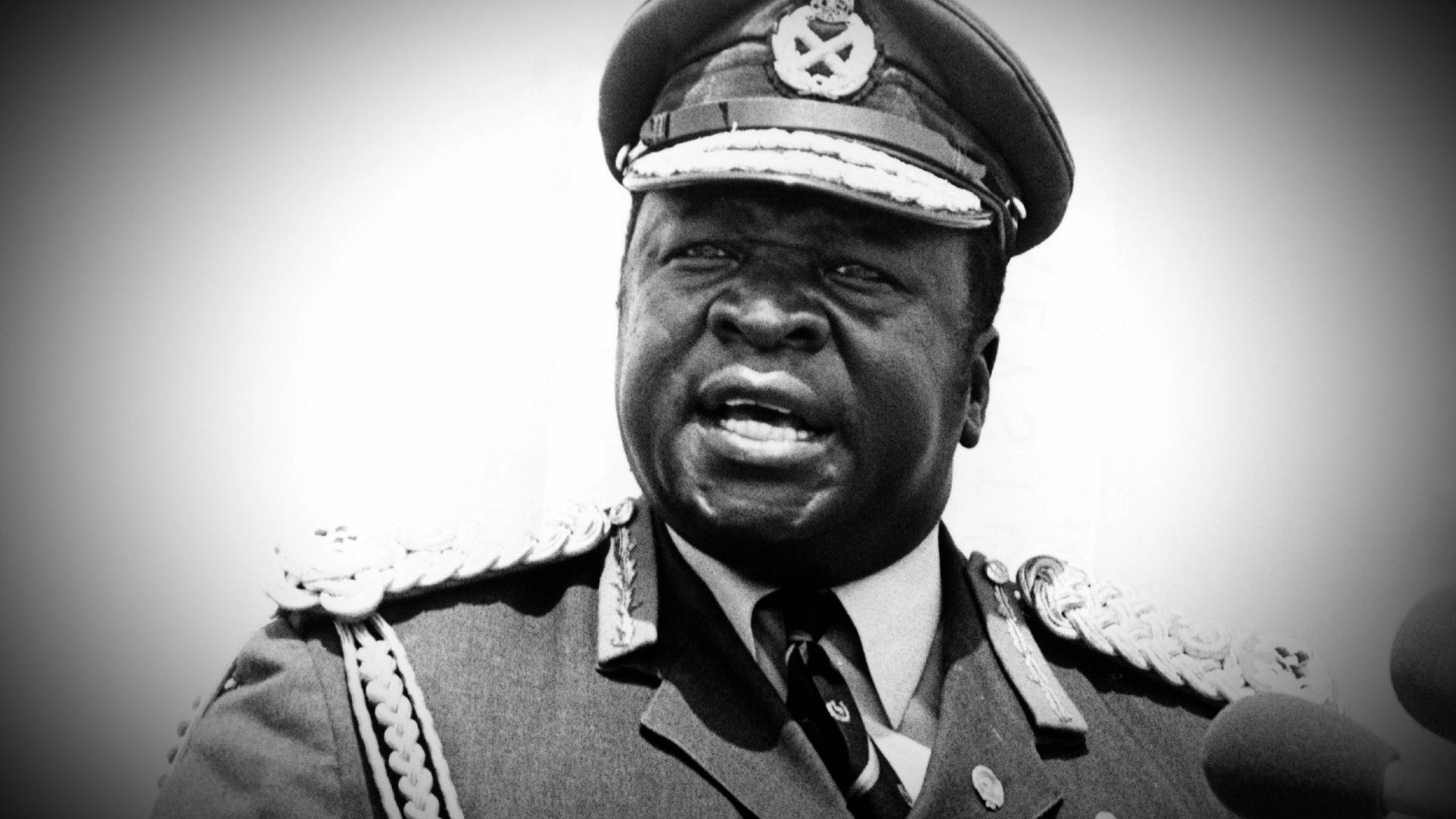
On this day in 1979, Jinja fell to advancing Tanzanian and Ugandan liberation forces, marking a decisive moment in the Uganda–Tanzania War and effectively ending organised military resistance loyal to Idi Amin in southern and eastern Uganda.
Following the earlier capture of Kampala, Amin had declared Jinja the country’s new capital in a last-ditch effort to rally his remaining forces. The anticipated final stand, however, never materialised.
The operation to take Jinja formed part of the eastern campaign led by the Tanzania People's Defence Force alongside the Uganda National Liberation Front.
Their advance began shortly after securing Kampala, with a clear objective: to take control of the strategic Nile bridge and secure the country’s main hydroelectric facility.
In the early hours of April 22, Tanzanian forces launched an artillery bombardment before advancing under the cover of darkness. Two battalions moved to secure both ends of the bridge over the River Nile, a critical crossing point.
Despite earlier declarations that Jinja would be defended to the last, resistance was minimal. Many pro-Amin troops had already fled towards the Kenyan border or dispersed, and by the time the forces entered the town, they encountered only scattered opposition.
The advance into Jinja was led by Mwita Marwa, whose troops secured the town by midday.
For residents, the days leading up to the capture had been marked by violence and fear. Retreating soldiers loyal to Amin carried out looting and killings, leaving parts of the town in chaos. Civilians later described the period as a living hell, with bodies reported on the streets and near the Nile crossing.
The mood shifted dramatically once the fighting ended. As Tanzanian troops rolled into Jinja, residents poured into the streets in celebration, welcoming them as liberators and marking the end of weeks of uncertainty.
A key outcome of the operation was the securing of the Nalubaale Power Station, then known as Owen Falls Dam. Its protection ensured continued electricity supply and preserved a vital economic lifeline, including the trade route to Kenya.
Amin himself was not in Jinja at the time of its fall, having already fled eastwards before eventually going into exile.
The capture of Jinja effectively brought the war into its closing phase and marked the collapse of Amin’s remaining military structure within Uganda.
